
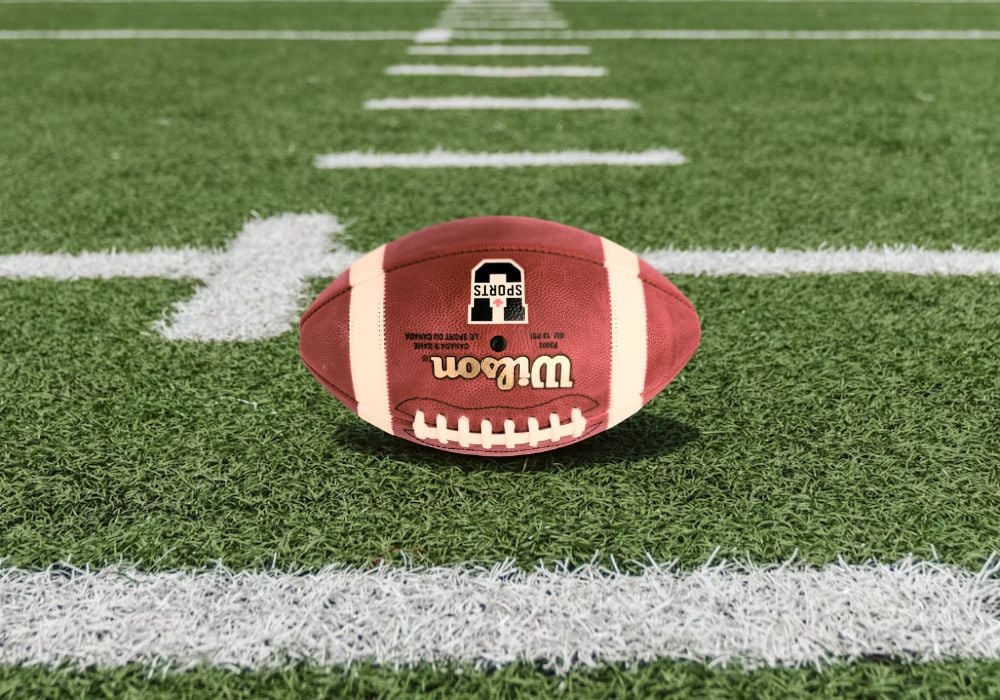

The sport of gridiron football is one thing that Canada and the U.S have in common, and the way the game is played is nearly identical apart from a few rules and field size.
It's still the same pads, the same plays, the same bodies colliding at the line of scrimmage. But in reality, they exist on completely different levels. In the United States, football is treated like religion.
In Canada, it often feels like a glorified recreational league.
Canada is making some heavy progression in collegiate level athletics even as American influence continues to overshadow Canadian leagues.
U SPORTS recently announced their changes to player eligibility that will take effect starting at the beginning of the 2026-2027 academic year.
Under the previous rules, non-graduating athletes were required to sit out for 365 days from their last date of competition after transferring schools before being eligible to compete again.
Now, first- and second-year athletes can transfer once without penalty and start competing with their new teams almost instantly, provided the necessary transfer criteria has been satisfied.
To be eligible for an "unencumbered" transfer, student-athletes must formally submit their declaration of intent. The deadlines are Dec. 15 for fall sports and April 15 for winter sports.
unencumbered
"Compassionate Appeal"
Athletes competing in sports such as track & field, swimming, and cross country were previously granted exceptions to the old rules, but now that exception will apply for everyone under the new eligibility rules.
Pierre Arsenault, the CEO of U SPORTS, said in a press release on Sept. 16 that "the landscape of post secondary sport is evolving, and our role is to ensure our policies reflect the needs of those we serve."
U SPORTS Director of Compliance and Eligibility, Tara Hahto also followed up with this in the release.
"A meaningful amount of transfer activity takes place during the first two academic years of a student-athlete’s journey, often when they are working to find the right fit academically, athletically, and personally. This policy change responds directly to that reality. It gives student-athletes more flexibility and agency that reflects their evolving goals and circumstances while also maintaining the structure and integrity of U SPORTS competition. After undertaking a long review and consultation process, we’re confident that this change will better support the student experience and strengthen the university sports system.
USA speaks, Canada listens
allowing athletes in all sports to switch schools once without being forced to sit out a year.
The change is also coming on the heels of the recent House v. NCAA settlement in the U.S., finalized in June, which approved nearly $2.8 billion in damages for athletes dating back to 2016 and allows Division I schools to begin directly paying student-athletes under a roster and salary cap.
In regards to football, which typically sports the biggest team roster and the some of biggest fan bases across both U SPORTS and the NCAA, the eligibility changes mark a significant step forward in growing engagement and visibility in Canadian collegiate athletics, which is still unfortunately overshadowed by American collegiate athletics majority of the time.
Why the gap in respect and visibility between two countries in North America who both play the sport on an amateur, collegiate, semi professional and professional level? It comes down to culture, population, infrastructure, money, and visibility.
Culture: football as religion vs. football as background noise
In the U.S, weekends in the fall are marked by football matchups. Stadiums fill with 40,000 to 100,000 screaming fans, marching bands, and tailgate parties that draw large crowds.
In Canada, the average U SPORTS football crowd in 2024 was 3,299 for regular season games — or 2,731 when excluding Laval, where football is an institution.
In contrast, the University of Michigan's "Big House" in Ann Arbor holds just over 107,000 fans as the biggest university stadium in the U.S — bigger than a lot of cities with schools that compete in U SPORTS.
In America, football culture is entrenched in American values. In Canada, football struggles to gain the same mainsteam attention.
Infrastructure and fan engagement
The infrastructure gap is impossible to ignore. NCAA programs enjoy multi-million-dollar budgets, dedicated training facilities, and national television deals. U SPORTS programs often scrape by with limited full-time staff, modest facilities, and little to no mainstream coverage.
Social media tells the same story: NCAA programs command hundreds of thousands (or even millions) of followers. CFL and U SPORTS programs? Often 10 to 100 times fewer.
Canada has the talent. What it lacks is the stage, funding and engagement the athletes deserve for putting in the same work as their American counterparts.
Population differences between Canada and the U.S.
Of course, the U.S has a much larger population and economy than Canada, which is a key factor in the disparities in budget, pay, advancement opportunity, visibility and respect for student athletes.
The U.S currently has a population of 342 million, compared to Canada's population of 41.1 million. With a population almost tenfold of Canada's — the stadium sizes, pay disparity, social media presence of American programs in comparison to Canadian ones almost perfectly reflects the population gap.
On average, American programs have anywhere between 10x to 1oox the budget, salary cap, stadium seats and viewership of Canadian football.
Pay and opportunity disparities
The most glaring difference, though, is money. NCAA athletes now have access to NIL (Name, Image, Likeness) deals worth thousands or even millions just for committing to a school.
USC (University of Southern California) quarterback Caleb Williams reportedly earned $2.5 million from NIL opportunities alone before being drafted to the NFL's Chicago Bears.
For U SPORTS athletes? NIL deals are virtually nonexistent. Many players juggle football with part time jobs, student loans or rely on family support just to stay afloat.
Unfortunately, the leap to a professional salary isn’t much kinder.
Even the lowest paid NFL player makes around 10 times what the average CFL player earns. For Canadian athletes, the CFL is “professional” in name, but financially, it’s often a job that requires players to pick up alternate forms of income.
Why Canada loses its own talent
The best Canadian players rarely stay north of the border. They head south for NCAA exposure, better coaching, bigger stadiums, and a real shot at the NFL. However, less than 25 Canadians currently play in the NFL, and most of them went through U.S. college programs.
Currently, only two U SPORTS alumni are on NFL rosters, both offensive tackles from the UBC Thunderbirds. Giovanni Manu (Detroit) and Theo Benedet (Chicago) highlight how rare it is for Canadian university players to make the leap to the NFL.
For U SPORTS stars, the NFL is a long shot. A few manage to make it there but the opportunity often doesn't stick. Canadian quarterback Taylor Elgersma was signed to the Green Bay Packers roster straight of a Canadian university earlier this year.
Elgersma practiced with the Packers in the off-season and appeared in the preseason matchups before ultimately being cut after the NFL mandated teams to cut their roster down to 53 players.
The CFL becomes the goal for many Canadian players — but even there, Canadian players face competition from American imports. Many CFL rosters are dominated by Americans who couldn’t quite crack the NFL but use the CFL as Plan B.
In other words: the doors to U.S. football are mostly closed to Canadians, but Canada’s own leagues keep their doors wide open to Americans.
Same grind, different payoff
NCAA and U SPORTS athletes endure the same grind. Early-morning workouts, grueling practices, anxiety and fatigue, concussions and torn ACLs.
But the disparities run deep. In the NCAA, the grind can create generational wealth. In U SPORTS, it’s pure love for the game and little else that keep their athletes going.
The question is simple: how can Canadian football grow if its best players keep leaving, if its top league struggles for respect, and the culture remains passive?
Canadian football isn’t dead, lacking or lower in talent than American football. But it’s waiting to be valued out loud. Major sports media outlets in Canada refuse to cover U SPORTS games and games are only available through a subscription or a pay-per-view platform hosted by the individual conferences.
Canadian culture seems to lack interest in collegiate level sports compared to our neighbours just south of the border. Until the love of the sport grows enough within Canada to sustain its own talent, the country’s best talent will keep heading south and Canadian fans will keep wondering what could have been.